
Find the actual problem. Solve it with the simplest effective approach. Don’t be afraid to adopt new tools when they’re genuinely better.

Putting my heroes in the same picture
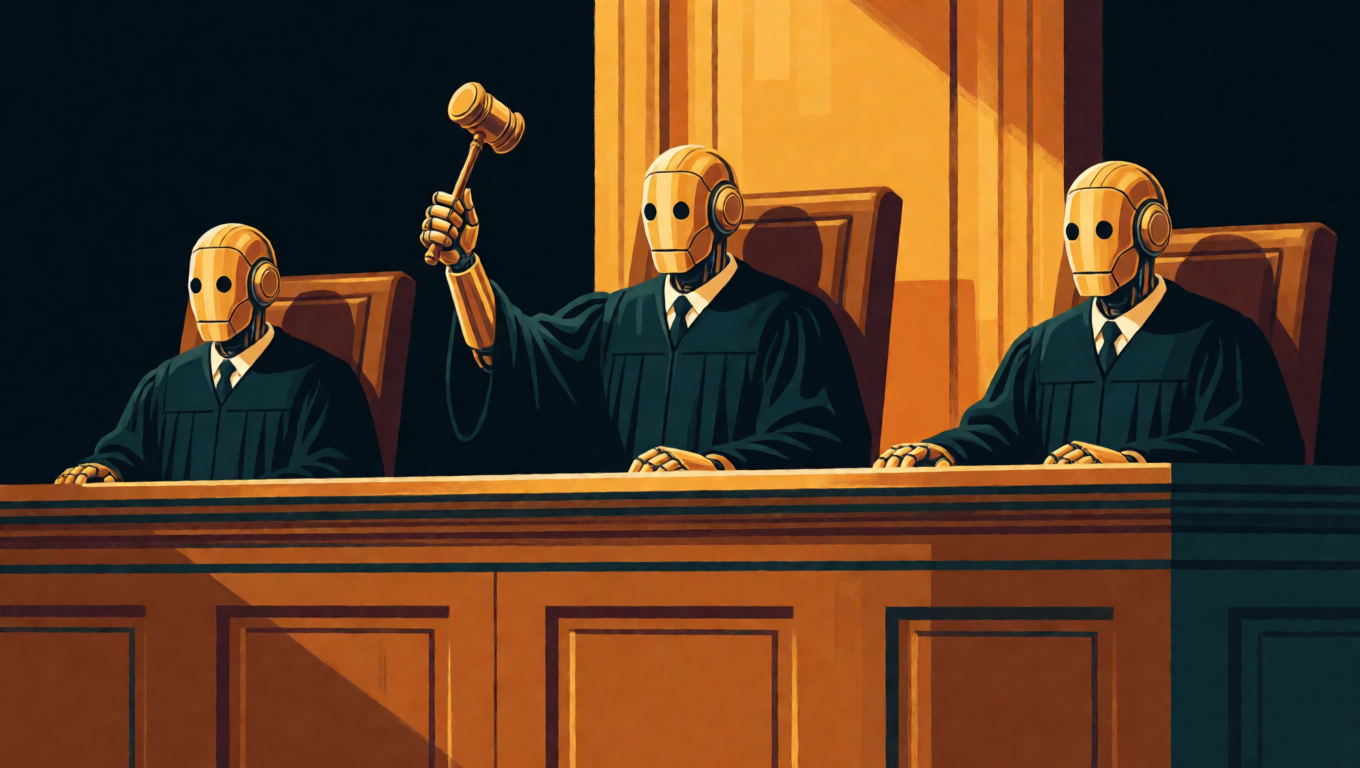
Last week’s post ended with an honest limitation: I could give each of my D&D heroes a perfect, persistent likeness, but I could not put them in the same picture. Load one character’s adapter and everyone in the frame becomes her. Load both and you get a blend – Jonathan’s armor with Lyra’s hair on a person who is neither. This is the short follow-up where that problem gets solved, with a trick so low-tech it’s almost embarrassing. ...
My images finally look like mine
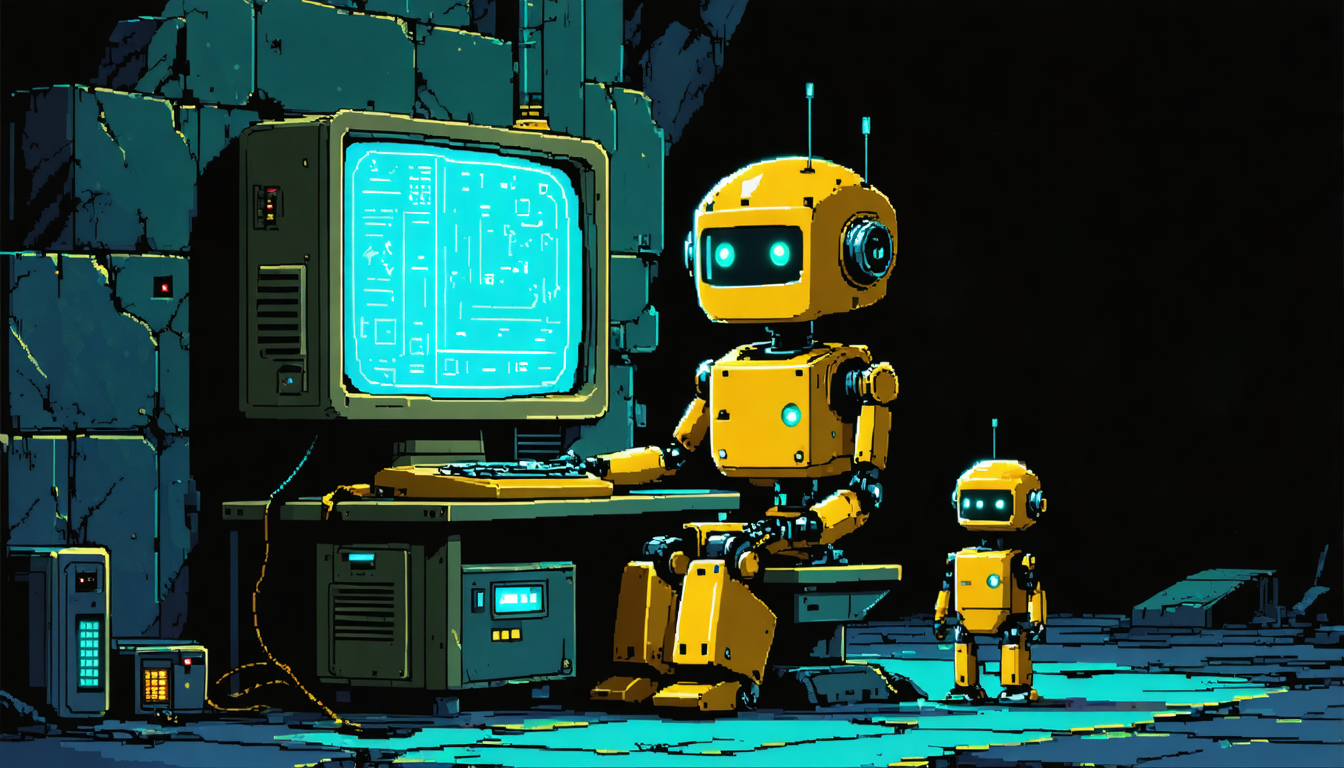
Everyone who has generated AI images knows the feeling. Each image is fine on its own, but put ten of them on your blog and they look like you hired ten different freelancers who never met each other. The problem isn’t quality anymore. The problem is that the images don’t look like yours. This is the story of how I fixed that with a rented GPU, an evening of training, and a few euros – and what broke along the way. ...
Yet another stupid death: AI plays NetHack
Some recent deaths from my project logs: killed by a jackal, while praying killed by a killer bee, while fainted from lack of food killed by a boulder killed by a boulder (again) killed by an Uruk-hai, while praying – 16 turns after the previous prayer The NetHack community has a name for this: YASD, Yet Another Stupid Death. It’s the shorthand veterans use when a character dies in a way that was entirely preventable and slightly embarrassing. My AI agent is a YASD factory. ...
Teaching AI agents to distrust each other
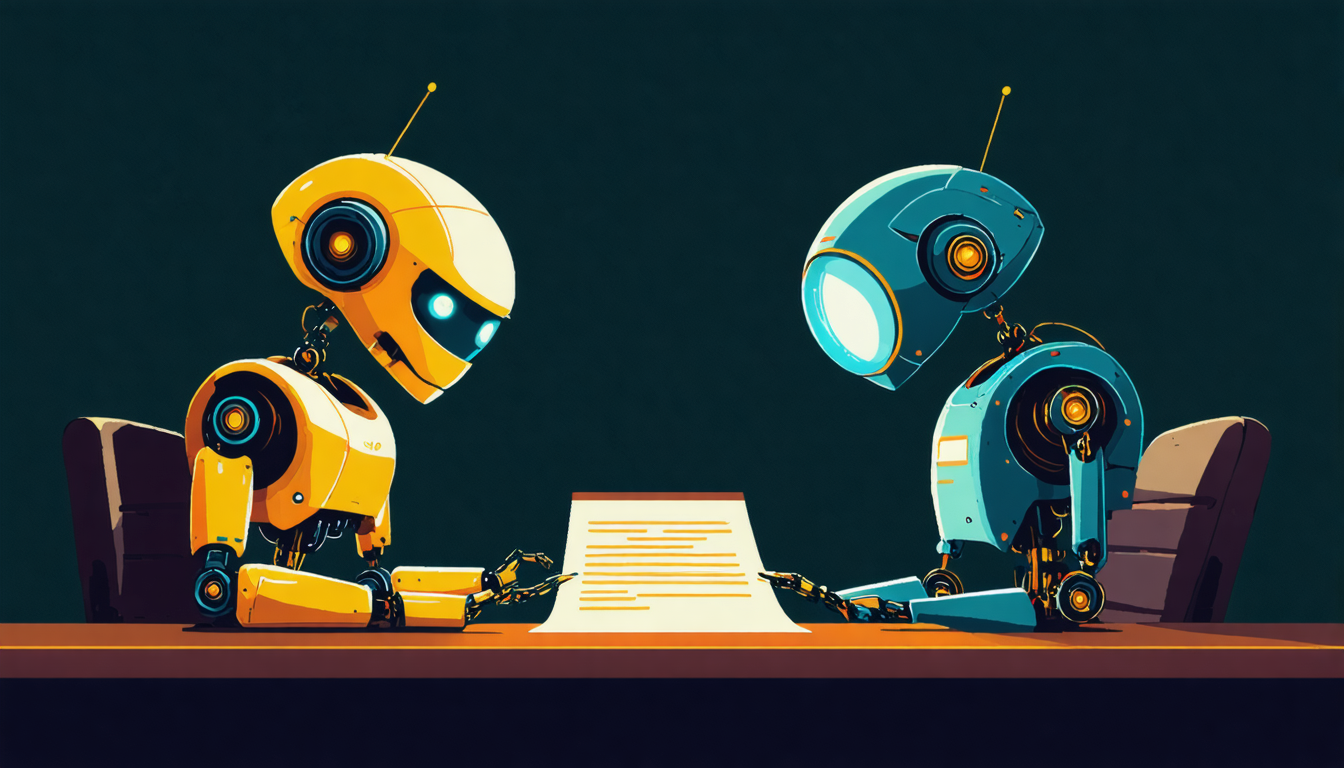
Three months ago I wrote about what 2,000 beads taught me about running a team of AI agents. The bead counter sat at 3,466 back then. It passed 8,000 last week. The interesting story from those three months isn’t the volume, though. It’s that the agents started lying to me, and the fix was teaching them to distrust each other. The empty commit that claimed to be work In early July a working-tree sweep caught something unsettling. A builder had completed a bead, written a confident summary (“removed image_url handling as requested”), and merged a diff that did remove image_url handling. The same diff also silently reverted four-day-old SQLite durability hardening – the fullfsync work I wrote a whole section about in the last post. The builder had started from a stale base, and its merge undid another agent’s work without knowing it. ...
Dialogue driven development: when code becomes the documentation
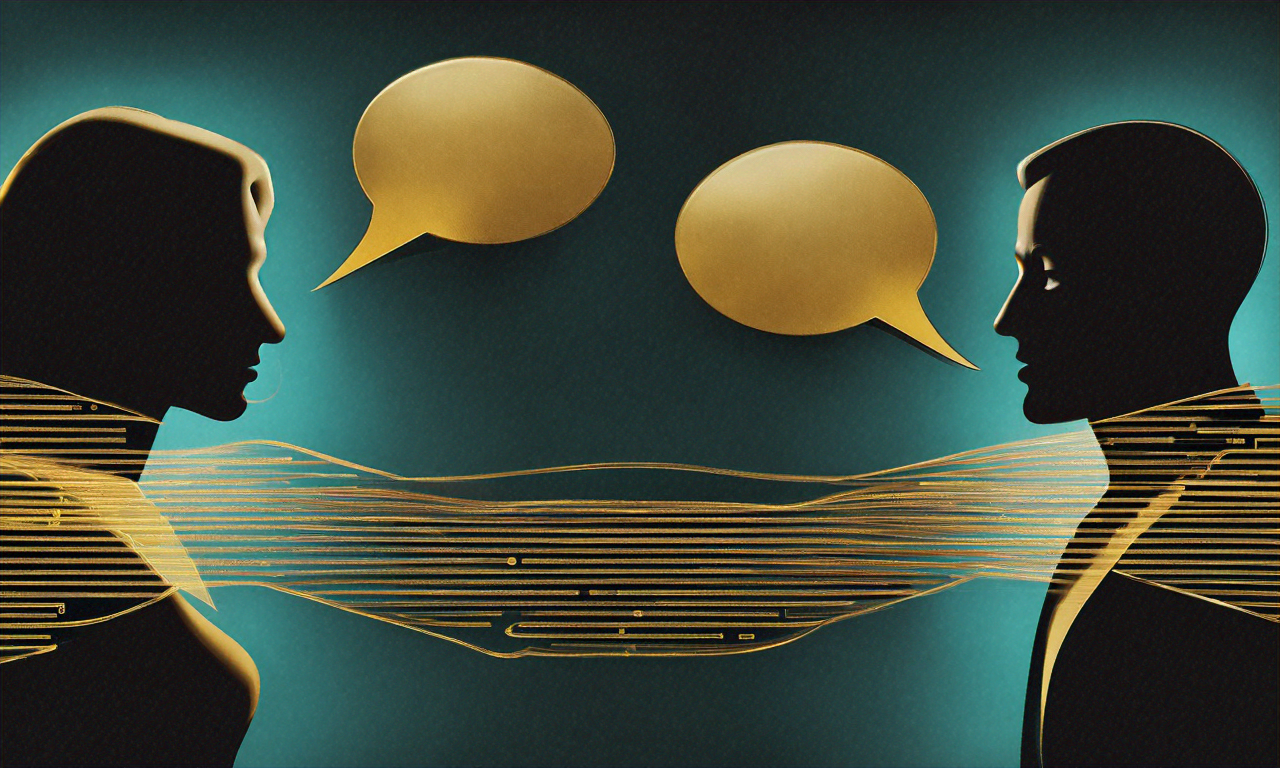
Twenty-five years ago, extreme programming made a bold promise: code should be the documentation. Good idea. Didn’t work. Humans can’t efficiently parse 50,000 lines of code to understand what a system does and why. So we kept writing design docs, architecture diagrams, and specification documents – and they kept going stale. AI changes that. An agent can read an entire codebase and produce a feature summary that’s more accurate than the design doc written six months ago, because it reflects what actually exists. The XP promise is finally landing – just not the way anyone expected. ...
What 2,000 beads taught me about multi-agent development
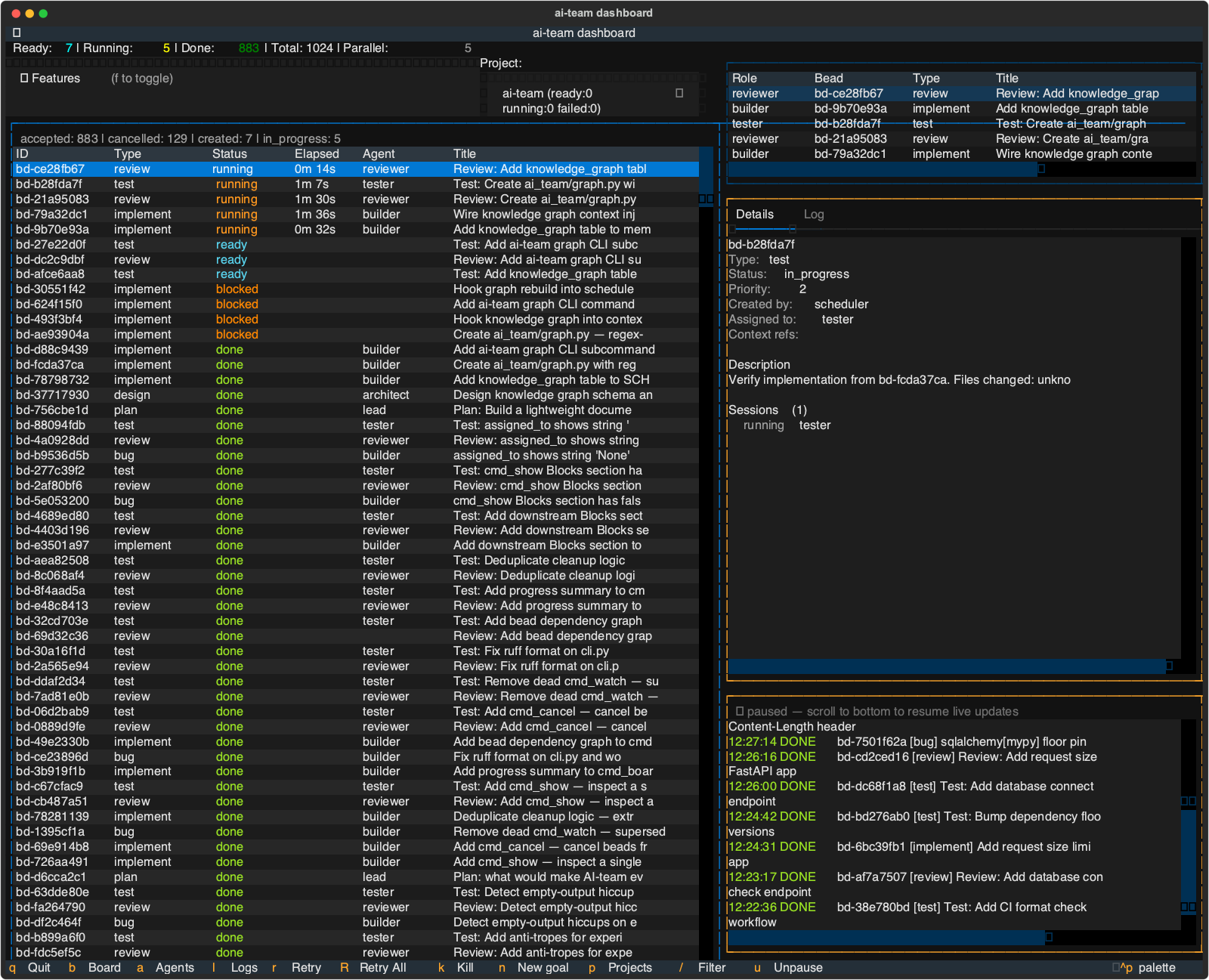
Three weeks ago I wrote about building a self-coordinating AI development team. At that point the system had processed about 1,000 beads and was starting to feel like more than a prototype. Since then, the bead counter passed 3,400. The system has been running almost continuously on my laptop, building features, fixing its own bugs, and – most instructively – breaking in ways I didn’t anticipate. This is what I learned. ...
Teaching AI to see its own slides
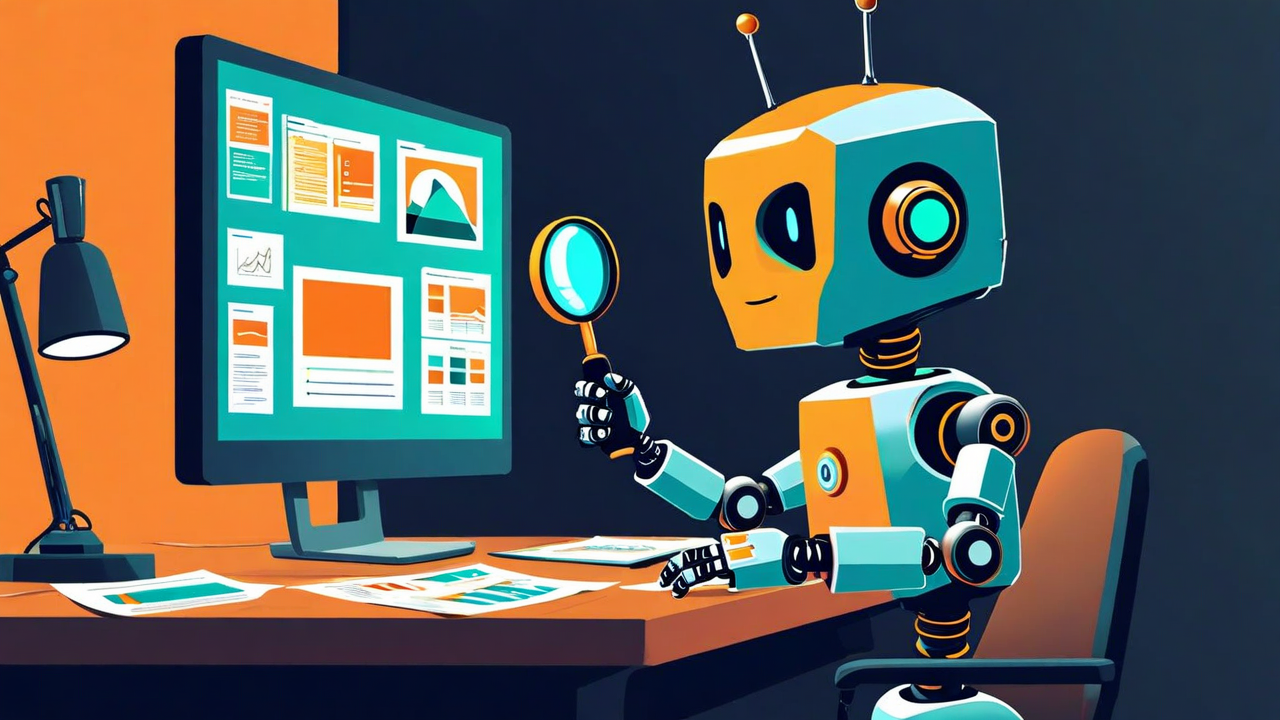
I’ve been having AI agents generate PowerPoint decks for a while now. python-pptx works, the slides come out structurally correct, but there’s a problem: the agent never sees what it made. It writes XML instructions for shapes, text, and layouts, then hands you the file and hopes for the best. It’s like writing CSS without ever opening a browser. You can get the structure right, but spacing, alignment, and visual balance? Pure guesswork. ...
Three ways to make AI agents talk to each other
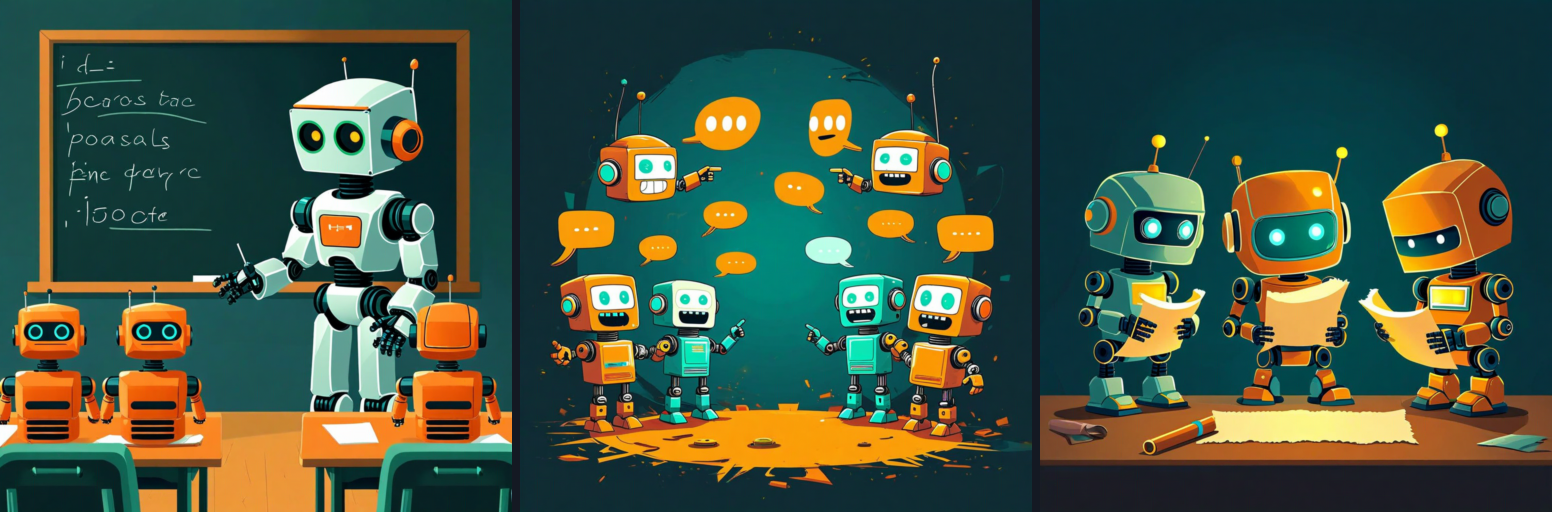
If you’ve tried building a system where multiple AI agents work together, you’ve hit the communication problem. How do agents coordinate? How do they share results? How do you keep them from talking past each other or getting stuck in loops? I’ve tried three different approaches over the past months. Each solves some problems and creates others. None of them is perfect, but I’m converging on something that works. The problem with subagents Most AI coding tools support some form of subagent delegation. The main agent spawns a helper, gives it a task, waits for the result. Simple in theory, painful in practice: ...
Building a self-coordinating AI development team
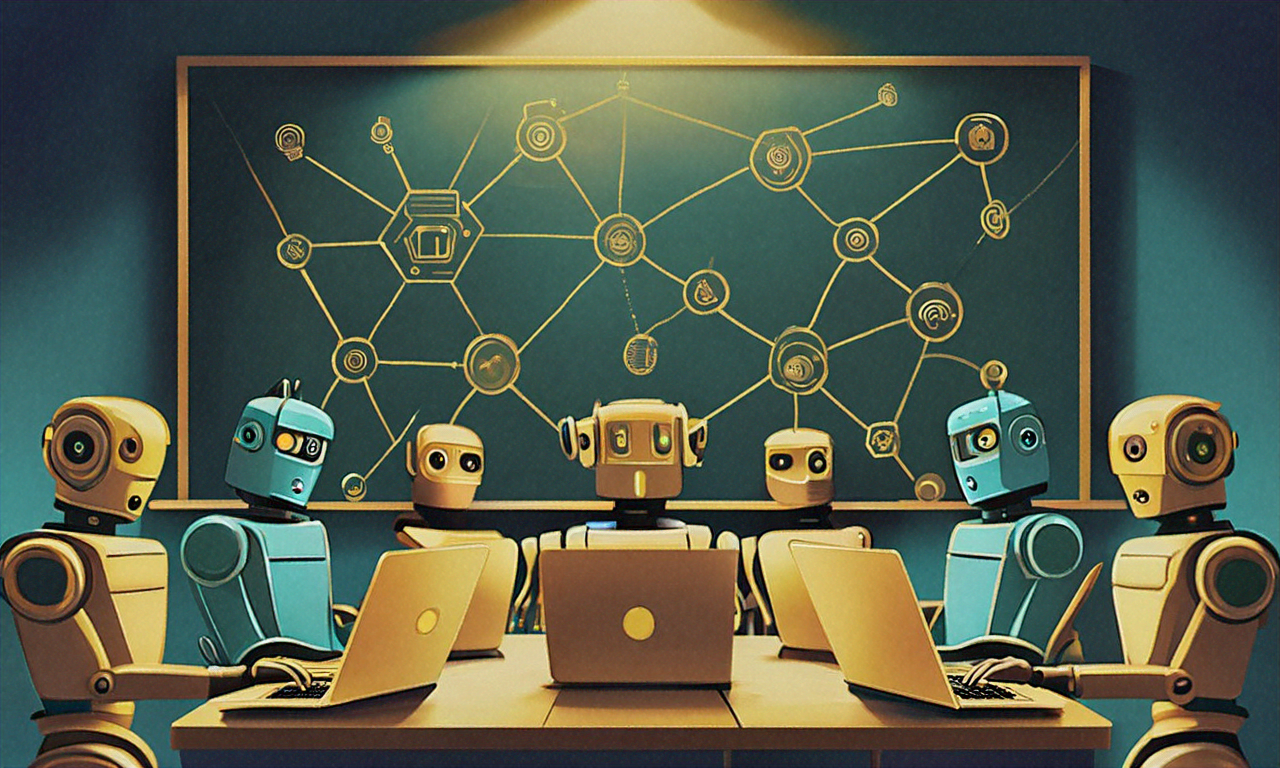
I wanted to see what happens when you give a team of AI agents a codebase and let them work on it with minimal supervision. Not a demo with three tasks, but a real, ongoing development project running for weeks. The result is ai-team – a multi-agent coordination system where specialized AI agents pick up tasks, write code in isolated git branches, get reviewed and tested by other agents, and merge their work back. As I write this, the system has processed over 1,000 task units (“beads”) and is currently building its own knowledge graph feature. ...

AWS ALB finally supports URL rewriting – goodbye nginx ingress
If you’ve run services on EKS, you’ve probably had the same frustration I have: AWS Application Load Balancer is great for TLS termination and routing, but the moment you need URL rewriting, you’re stuck deploying nginx as a reverse proxy behind it. Two load balancers, an extra pod to maintain, and one more thing to patch. That’s finally over. AWS added native URL rewriting to ALB in October 2025, and the timing couldn’t be better – the Kubernetes community announced that Ingress NGINX is retiring on March 31, 2026. The last reason to run nginx on EKS just disappeared. ...